
Key Takeaways
- Skardu is at about 2,228 meters in Gilgit-Baltistan, at the meeting point of the Indus and Shigar rivers.
- You can fly from Islamabad in under an hour, or drive the Karakoram Highway in 15 to 24 hours depending on the route and season.
- May through October is the best window. Roads and flights both run smoothly, and daytime temperatures stay comfortable.
- Shangrila Resort, Upper Kachura Lake, Shigar Fort, Sarfaranga Cold Desert, and Deosai National Park cover the essential sights.
- Skardu also works as the launch point for K2 and Concordia treks, so trekkers and casual travelers end up sharing the same town.
What if one trip could give you turquoise lakes, sand dunes, and the road to the world’s second-highest mountain, all in the same valley? That’s Skardu.
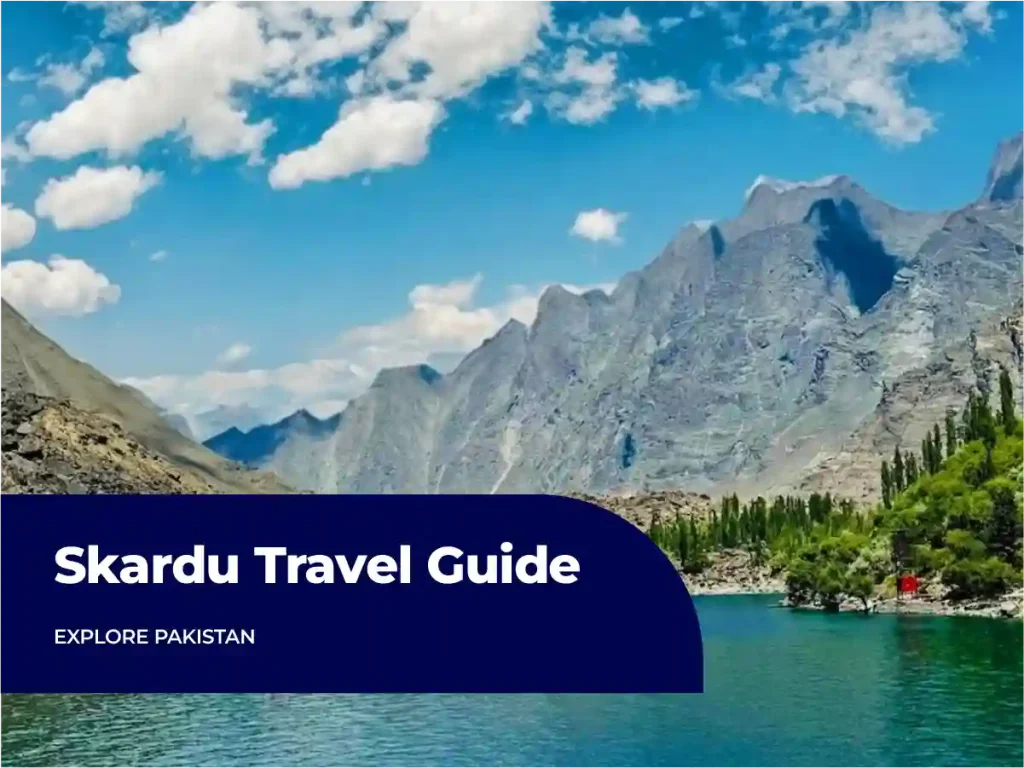
Nowhere else in Pakistan looks quite like it. Glacier-fed lakes the color of turquoise, dunes rising against snowcapped peaks, and the last stretch of road before K2 itself, all within a short drive of each other.
That rare combination is why Skardu draws two very different crowds into the same town: US-based trekkers headed for the Karakoram’s highest summits, and Pakistani American families reconnecting with relatives back home. Despite the scenery, the town stays small and easy to navigate, even at the height of tourist season.
Where Is Skardu and Why Visit?
Skardu is a mountain town in Gilgit Baltistan, in the north of Pakistan, sitting where the Indus and Shigar rivers meet. It is at roughly 2,228 meters, so the air is thinner than what most US travelers are used to, but not so thin that it causes serious problems for a short stay.
The town itself is home to just over 100,000 people, which keeps it feeling manageable even during peak season. It’s about 320 kilometers from Islamabad by air and roughly 980 kilometers from Lahore by road, numbers worth knowing if you’re mapping out a longer Pakistan trip that includes more than one region.
People visit Skardu for three things: turquoise lakes, cold desert landscapes that look nothing like the rest of Pakistan, and access to K2 and the Karakoram’s highest peaks. Few places on earth pack glaciers, desert dunes, and alpine lakes into one valley. That combination is why Skardu keeps showing up on bucket lists for US-based trekkers and for Pakistani American families visiting relatives.
On our tours, we tell first-time visitors to treat Skardu as a base. You explore lakes and valleys nearby, then push out to Deosai or Basho for a day trip. That structure works well whether you have four days or ten.
How to Get to Skardu
Most travelers reach Skardu one of two ways: a short flight from Islamabad, or a long but scenic road trip along the Karakoram Highway. Each has real tradeoffs, so plan for both.
By Air: Skardu Airport and Flight Tips
Skardu International Airport receives daily flights from Islamabad, and the flight itself takes around 45 to 60 minutes. PIA and Airblue run the route most consistently, with seasonal capacity from other carriers. One-way fares usually run between roughly PKR 25,000 and 40,000, though prices climb during peak summer, so book a few weeks ahead if your dates are fixed.
Travelers coming from Lahore or Karachi can also find direct flights during peak season, though schedules thin out in winter and most of those routes connect through Islamabad anyway. As of July 2026, Skardu airport also handles occasional international charters, mostly to Dubai, though this service is still limited and not something to rely on for planning a trip.
Here’s the part most guides leave out. Flights to Skardu depend on clear weather over the mountains, and cancellations happen often, especially in winter and during the shoulder months of March and November. Our guides always recommend booking a morning flight, since afternoon weather tends to turn first, and keeping one buffer day in your schedule in case a flight gets pushed.
If you’re flying in from the US, connect through Islamabad rather than trying to route through Skardu directly. There’s no way around that leg.
By Road: The Skardu Road From the KKH
The road route runs from Islamabad up the Karakoram Highway, then branches onto the Skardu Road near Jaglot. Depending on the route and stops, expect 15 to 24 hours of driving from Islamabad. Some travelers split this into two days with an overnight in Chilas or Besham.
This is the backup plan we give every group when flights get cancelled. It’s longer, and it demands a good driver, but it’s dependable in a way flights simply aren’t. The scenery along the Indus valley is also reason enough to try it once, even if you fly the other direction.
Best Time to Visit Skardu
May through October is the best time to visit Skardu, since this window brings warm days, mild nights, and open roads. Peak summer runs June through August, with daytime highs around 27 to 31°C and cooler nights.
Rainfall stays low year-round, since the surrounding mountains block most of the monsoon that soaks the rest of Pakistan in summer. That’s actually one of Skardu’s quiet advantages. While Lahore and Islamabad deal with heavy July and August rain, Skardu usually stays dry and clear, which makes it a smart summer escape as well as a trekking base.
Winter tells a different story. From December through February, temperatures can drop below minus 10°C, and roads out of Skardu frequently close. Flights become the only reliable option, and even those get disrupted by snow.
| Season | Months | What to Expect |
| Peak summer | June to August | Warm days, all attractions open, higher hotel prices |
| Shoulder season | April to May, September to October | Cooler and quieter, some passes may still be closed early on |
| Winter | November to March | Cold, frequent road closures, flights are weather dependent |
Top Things to Do in Skardu
Skardu’s attractions spread across the valley, so plan two to three days just to cover the main ones without rushing.
Shangrila Resort and Lower Kachura Lake
Shangrila Resort is on Lower Kachura Lake, often called Shangrila Lake, about 25 minutes from Skardu city. The lake’s still, deep blue water makes it one of the most photographed spots in Baltistan. The resort itself has a restaurant built inside an old aircraft fuselage, which surprises most first-time visitors.
Upper Kachura Lake
A short drive past Shangrila brings you to Upper Kachura Lake, which sees far fewer tourists. The water here stays notably cold even in peak summer, and the setting feels more remote. If you want quiet time by the water, this beats the lower lake.
Satpara Lake
Satpara Lake is about ten minutes from Skardu city, making it the easiest lake to visit if you’re short on time. It also supplies Skardu’s drinking water through the Satpara Dam, so the setting feels more functional than the postcard resorts nearby, though the mountain backdrop is still striking. Boating and trout fishing are both popular here, and it pairs well with a Sarfaranga visit on the same day.
Shigar Fort and Shigar Valley
Shigar Fort, also known as the Fong Khar Palace, is a restored royal residence turned heritage hotel roughly 45 minutes from Skardu. Even if you’re not staying there, it’s worth a stop to see traditional Balti woodwork up close. The surrounding Shigar Valley is quieter and greener than Skardu itself, with apricot orchards lining the road.
Sarfaranga Cold Desert
Sarfaranga Cold Desert is along the Indus River, and it’s one of the highest cold deserts in the world. Sand dunes against a backdrop of snowcapped peaks feel genuinely strange the first time you see it. Jeep safaris across the dunes are a popular add-on, and most local operators, including our team, can arrange one on short notice.
Deosai National Park
Deosai National Park, known locally as Byarsa, is above 4,000 meters and ranks as one of the highest plateaus on earth. The park stays open roughly June through September, since snow blocks it the rest of the year. Wildlife here includes the Himalayan brown bear, so guided visits matter, not just for the views but for safety.
Basho Valley
Basho Valley, a couple of hours from Skardu, offers pine forests, a river, and camping spots that feel far removed from the main tourist circuit. This is the valley our Skardu and Basho Valley tour is built around, combining Skardu’s main sights with a night or two under Basho’s pines.
Where to Stay in Skardu
Skardu’s hotel scene ranges from international-style resorts to simple guesthouses. Shangrila Resort and Shigar Fort both offer heritage-style stays if you want something memorable rather than purely functional, and rooms at both typically run higher than standard city hotels given the setting and history.
In Skardu city itself, mid-range hotels near the airport and bazaar work well for short stays, generally landing in a comfortable middle price bracket with reliable hot water and WiFi. Budget guesthouses suit backpackers and trekking groups who just need a clean bed before heading out early. Khaplu also has a small but growing set of guesthouses if you want to base yourself further east for a night.
Book early for June through August. Rooms fill up fast during peak season, and prices climb with demand.
Skardu for Trekkers: Gateway to K2 and Concordia
Skardu is the last major town before the trailheads for K2 and Concordia. Trekkers typically spend a night or two here to buy supplies, arrange permits, and rest before heading to Askole, the starting point for the K2 Base Camp trek.
Foreign trekkers heading into restricted zones near the border sometimes need an NOC, short for No Objection Certificate, issued by local authorities. Our team handles this paperwork for guests booking treks through us, so you don’t need to navigate it alone. For a full breakdown of the trek itself, see our K2 Base Camp Trek guide.
Suggested Six Day Skardu Itinerary
This itinerary works well for first-time visitors who want the highlights without rushing.
| Day | Plan |
| Day 1 | Fly into Skardu, settle in, short walk around the bazaar |
| Day 2 | Shangrila Resort, Lower and Upper Kachura Lakes |
| Day 3 | Shigar Fort and Shigar Valley |
| Day 4 | Full day trip to Deosai National Park |
| Day 5 | Sarfaranga Cold Desert, jeep safari, Satpara Lake |
| Day 6 | Basho Valley or free morning, fly out |
Trekkers heading toward K2 usually add three to five extra days for the approach to Askole and beyond.
Travel Tips: Altitude, Roads, Cash and Connectivity
Skardu’s elevation rarely causes serious altitude sickness on its own, but Deosai is much higher, and some travelers do feel lightheaded or short of breath up there. Drink more water than usual and take it slow on your first day.
ATMs exist in Skardu city, but they’re not always reliable. Carry enough cash for a few days, since many smaller shops and guesthouses in outlying valleys don’t take cards at all.
Mobile signal covers Skardu city reasonably well, and SCOM, the local carrier, tends to work best in Gilgit Baltistan compared to national networks. Coverage drops off fast once you head into Deosai, Basho, or the more remote valleys, so let someone know your plans before you lose signal.
Pack layers no matter when you visit. Even in July, nights can turn cold once the sun drops, and a light jacket earns its space in your bag every single time. If you’re heading to Deosai or Basho, add sturdy shoes, since paths there are uneven and sometimes muddy after rain.
Roads into remote valleys can be rough jeep tracks rather than paved roads. A jeep track just means an unpaved route usually only manageable in a four-wheel drive vehicle. Book a driver who knows the area, especially for Deosai and Basho.
Frequently Asked Questions
Is Skardu worth visiting?
Yes. Skardu combines alpine lakes, a genuine cold desert, and access to some of the world’s highest peaks in one valley. Few destinations offer that range of scenery within a single trip, which is why it keeps drawing both first-time travelers and serious trekkers.
How many days do you need in Skardu?
Plan for at least four days to cover the main sights without rushing, and six days if you want to add Deosai and Basho Valley comfortably. Trekkers heading toward K2 should budget extra time for the approach trek itself.
Skardu or Hunza, which should you choose?
Choose Hunza if you want easier access, established tourist infrastructure, and rich local culture in a compact area. Choose Skardu if lakes, cold deserts, and access to serious trekking routes matter more to you. Many travelers, including our repeat guests, end up visiting both on longer trips.
Can foreigners fly to Skardu?
Yes, foreign travelers can fly into Skardu without restriction. Some treks into border-adjacent zones require an NOC, which tour operators can arrange, but the flight itself has no special requirements for international visitors.
Is Skardu safe for tourists?
Skardu is generally considered safe, and locals are known for their hospitality toward visitors. As with any remote mountain region, weather and road conditions pose more practical risk than crime, so check conditions before you travel and use a local operator for remote areas.
What is Skardu famous for?
Skardu is famous for being the gateway to K2, along with its turquoise lakes like Shangrila and Upper Kachura, and Sarfaranga Cold Desert. It’s one of the few places where desert, alpine lakes, and 8000-meter peaks lie within a short drive of each other.
What should I pack for Skardu?
Pack layers, since mornings and nights stay cool even in summer, along with sturdy walking shoes for uneven terrain in Deosai and Basho. Bring sun protection too, since the thin air at altitude means stronger UV exposure than most travelers expect, plus a basic first aid kit and any regular medication, since pharmacies are limited outside the city.
Ready to see it for yourself? Our Skardu and Basho Valley tour covers every stop in this guide, run by a team that knows the roads, the weather, and the best time to be at each lake.
For more of Pakistan’s north, browse our full range of domestic tours, or check Wikipedia’s overview of Deosai National Park and the Lonely Planet Pakistan travel guide for more background before you go.

Eagles Adventure is a leading travel company in Pakistan, providing domestic, international, and Umrah tours with exceptional safety, comfort, and memorable experiences.