
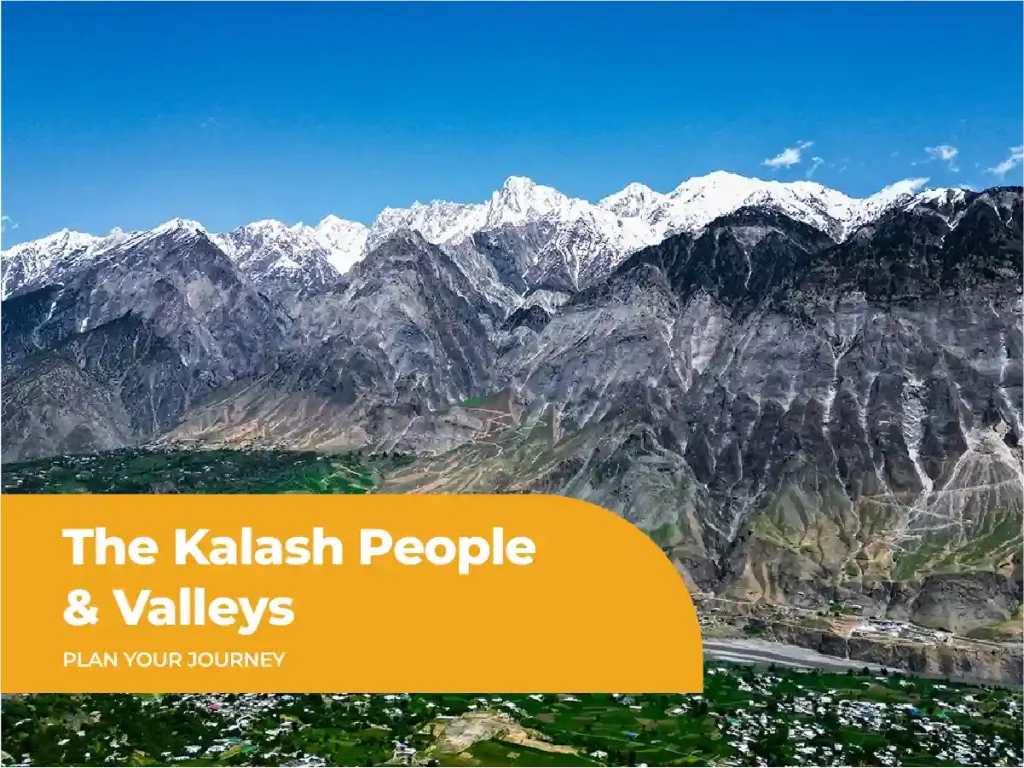
Key Takeaways
- The Kalash people are a small community in Chitral, Khyber Pakhtunkhwa.
- They live in three valleys: Bumburet, Rumbur, and Birir.
- Their faith honors many gods, spirits, and ancestors.
- Three festivals shape the year: Chilam Joshi, Uchau, and Choimus.
- The Alexander the Great story is a legend that genetic studies don’t support.
- Ask before you take photos, and confirm festival dates before you book.
The Kalash people of Pakistan live in three small valleys in the Hindu Kush mountains. They speak their own language, follow their own faith, and celebrate festivals that few visitors forget. This article explains who they are and how to visit their valleys with respect.
Who Are the Kalash People?
The Kalash people, also called the Kalasha, are a small indigenous community in Chitral District, Khyber Pakhtunkhwa. They are Pakistan’s smallest ethnoreligious group.
The 2023 census counted 7,466 people who speak Kalasha as a first language. That count includes Muslim Kalasha speakers, so the number who follow the traditional faith is smaller. Estimates vary, so treat any single figure with care.
You’ll also see the term Kalash tribe online. This guide uses “people” because they’re a living, modern community. Many work in tourism, the police, and the military. Their language, Kalasha, is closest to Khowar, the main language of Chitral.
The Three Kalash Valleys
The Kalash valleys are Bumburet, Rumbur, and Birir. They open onto the Chitral River about 20 km (12 miles) south of Chitral town. Villages sit between roughly 6,200 and 7,200 feet. You can read a short overview of the Kalasha Valleys for background. The region also features in our guide to the 15 best places to visit in Pakistan.
Bumburet: the largest and most visited
Bumburet has the most guesthouses, shops, and the Kalasha Dur Museum. It also gets busy in festival season. Some visitors find it more developed than the other two valleys.
Rumbur: small and traditional
Rumbur is smaller and quieter. Its villages still feel mostly Kalasha, and foreign visitors often prefer it. The shrine of Sajigor, an important god, stands here.
Birir: the quietest valley
Birir sees the fewest visitors and has very limited lodging. Researchers treat it as its own cultural area, so it’s worth a visit if you have time.
The Kalash Religion & Beliefs
The Kalash religion is polytheistic. Followers honor many gods, nature spirits, and ancestors. Scholars often call it a form of animism with ancient regional roots.
Dezau is the creator god. Mahandeo looks after crops, and Jestak protects family life. Shrines and altars across the valleys receive goat offerings, and wine has a sacred role. Shamans, called dehar, speak with the spirit world.
Ancestors matter too. Families bury their dead above ground in carved wooden coffins. Some Kalasha have converted to Islam, often through marriage, and converts still live in the same valleys.
Kalash Festivals: The Heart of the Culture
Kalash festivals mark the farming year with music, dance, and offerings. The dates below are typical windows as of October 2026. Exact dates shift each year, so confirm with a local guide before you book. You can also browse our domestic tours page for current trips across northern Pakistan.
Chilam Joshi: the spring festival (May)
Chilam Joshi takes place in mid to late May. It welcomes spring and thanks the god who protects the herds. The first day is Milk Day, when people offer milk saved for ten days.
Uchau: the autumn harvest festival
Uchau marks the autumn harvest. Expect singing and dancing in the villages. Its dates vary more than the other two, so ask early.
Choimus: the winter solstice festival (December)
Choimus, also spelled Chawmos, is the most important festival. It runs about two weeks around the winter solstice, roughly December 7 to 22. It closes the farming year with music, dancing, and feasts. Some rituals stay closed to outsiders, and winter roads can be difficult.
Are the Kalash Descendants of Alexander the Great?
Probably not. Local tradition says the Kalash descend from soldiers Alexander left behind. However, historians find no solid evidence that he passed through the area.
Genetic studies on the Kalash point the same way. A 2015 study found no sign of Alexander’s soldiers in their ancestry. It suggested the Kalash split from other South Asian groups thousands of years ago. Another study found no typical Greek markers.
Their language also comes from the same family as many South Asian languages, not Greek. The legend survives because it makes a good story. Still, the evidence suggests an old community with deep roots in the region.
Kalash Culture: Dress, Language & Daily Life
Kalasha women wear long black robes, often decorated with cowrie shells and topped with beaded headdresses. Men usually wear the shalwar kameez, the long shirt and loose trousers common across Pakistan.
Most families farm wheat, maize, apples, apricots, and walnuts. Many also herd goats, and winemaking is an old tradition. Tourism now adds income through guesthouses and small shops.
Preserving this culture takes effort. Language, festivals, and shrines face pressure from change. Entry fees go toward community welfare, and respectful tourism helps too. If you enjoy cultural stories, read our Hunza Valley travel guide next.
How to Visit the Kalash Valleys
Planning a Kalash Pakistan trip starts in Chitral town. Most travelers reach it by road from Islamabad through Dir and the Lowari Tunnel, which can take a long day. Flights exist, but weather often affects them. From Chitral, shared jeeps run to Ayun and onward, and private jeeps are easy to hire.
| Quick facts | Details |
| Base town | Chitral |
| Distance to valleys | About 20 km (12 miles) |
| Entry fee for foreigners | Rs 600 per person, per 2023 guides |
| Festival months | May, autumn, December |
Foreign visitors pay a community entry fee. The NOC requirement for foreigners in Chitral was dropped in 2019, but rules can change, and visitors may need to register at a police post. We check current rules before every trip.
Bumburet has the most hotels. Rumbur has some guesthouses run by Kalasha families. Birir has very few options, so book ahead. Many travelers also combine Chitral with Swat, and our Swat Valley travel guide can help with that plan.
Visiting Responsibly: Etiquette & Photography
Ask before you photograph anyone, and accept a no. Our guides recommend these basics:
- Ask each person for consent. A smile isn’t permission.
- Don’t photograph rituals, shrines, or funerals unless people invite you.
- Stay out of shrines, altars, cemeteries, and the women’s bashaleni house.
- Dress modestly with covered shoulders and knees.
- Skip handing out sweets or money to children.
- Buy crafts from Kalasha sellers and stay in family-run guesthouses.
Our team can plan a custom Chitral trip and connect you with local guides who know the etiquette.
Frequently Asked Questions
Where do the Kalash people live?
The Kalash people live in three valleys in Chitral District, Khyber Pakhtunkhwa, Pakistan. The valleys are Bumburet, Rumbur, and Birir. They sit about 20 km (12 miles) south of Chitral town, near the Afghan border, in the Hindu Kush mountains. Villages stand at roughly 6,200 to 7,200 feet.
What religion do the Kalash follow?
Most traditional Kalash follow their own faith, which scholars describe as animism and ancestor worship with ancient roots. They honor many gods, led by the creator Dezau, and hold seasonal festivals with offerings and dance. Some Kalasha speakers have converted to Islam, and both groups live in the same valleys.
How many Kalash people are left?
The 2023 census counted 7,466 people who speak Kalasha as a first language. Many of those speakers are Muslim, so followers of the traditional faith number fewer. Local estimates often fall in the low thousands. Figures vary by source, so treat any number as approximate.
When is the best time to visit the Kalash valleys?
Late spring brings mild weather and the Chilam Joshi festival in May. Autumn offers the Uchau harvest festival. December brings Choimus, the biggest festival, but it’s cold, and snow can affect roads. Summer highs average about 73 to 81°F, so that season suits hiking.
Do you need a permit to visit the Kalash valleys?
A 2019 report says foreign tourists no longer need a special NOC to visit Chitral, but rules can change. Foreigners pay an entry fee, listed as Rs 600 per person in 2023 guides, and may need to register at a police post. Confirm current rules before you travel.
Can foreigners attend Kalash festivals?
Generally, yes. Visitors can watch public dances and celebrations. Some rituals stay closed to outsiders, so follow your guide and ask first. Book guesthouses early, since rooms fill up around festival dates. Keep your camera down during sacred moments.