
Key Takeaways
- Hunza Valley is in Gilgit-Baltistan, about 600 km north of Islamabad, and takes 12 to 15 hours by road or a short flight to Gilgit plus a drive.
- Spring (March to April) brings blossoms, and October brings the best autumn color. Summer and winter both work too, each with a different feel.
- US citizens need a Pakistan e-visa arranged before departure. Most of Hunza needs no extra permit, but Khunjerab Pass does.
- Karimabad, Attabad Lake, Eagle’s Nest, Passu Cones and Khunjerab Pass make up the core sightseeing loop.
- Hotels range from about $15 a night for a guesthouse to $150 or more for a lake view resort.
Hunza Valley shows up on almost every list of Pakistan’s must-see places, and it earns that spot. This corner of northern Pakistan pulls in adventure travelers, photographers, and the diaspora heading back to see it firsthand. Snow peaks, old forts, turquoise lakes, and orchards are all within a few hours of each other. This guide covers how to get there, when to go, what to see, and what it actually costs, based on what our own guides see on the ground.
Where Is Hunza Valley
Hunza Valley is in Gilgit-Baltistan, in the far north of Pakistan, where the Karakoram mountains meet the old Silk Road route toward China. It’s roughly 600 km from Islamabad, following the Karakoram Highway north through Abbottabad, Chilas and Gilgit.
The valley isn’t one town. It’s a string of settlements along the Hunza River, with Karimabad as the main hub for travelers. Aliabad, Altit, Gulmit and Passu lie further along the same road, each with its own character. Karimabad is at roughly 2,438 meters, so the air is noticeably thinner than at sea level, though most visitors adjust within a day without any real trouble.
Zoom out and Hunza borders Ishkoman to the northwest and China’s Xinjiang region to the northeast, across the Khunjerab Pass. That border position is part of why the valley has always mattered, long before tourism became its main economy. Traders moved through here for centuries on branches of the Silk Road, and the old caravan routes still show up in how the villages are laid out today.
Why Hunza Is Pakistan’s Most Famous Valley
Hunza owes its fame to a rare mix of scenery, history and culture packed into one compact valley. Snow peaks like Rakaposhi rise straight out of the valley floor, centuries-old forts still stand in Karimabad, and the local Burusho and Wakhi communities have kept a slower, welcoming pace of life.
Part of the reputation comes from the landscape itself. Few places let you see 7,000-meter peaks, glacial rivers and terraced orchards from the same viewpoint. Photographers and mountaineers have been drawn here for decades, and the valley regularly shows up on lists of the world’s most scenic drives thanks to the Karakoram Highway.
There’s also a cultural story that draws people in. Hunza has a long-standing reputation for longevity among its older residents, something often linked, fairly or not, to the local diet heavy in apricots, walnuts and mountain-grown produce. Whether or not that reputation holds up to scrutiny, it’s added to the valley’s mystique for decades and still comes up in almost every conversation about the region.
On our own tours, guests often say the drive in is half the reason they came. You round a bend on the Karakoram Highway, and Rakaposhi just appears, filling the windshield. That first view tends to set the tone for the whole trip.
Best Time to Visit Hunza Valley
The best time to visit Hunza Valley is April through October, with spring and October standing out for very different reasons. Each season changes the valley’s mood, so the right time really depends on what you want to see.
Spring blossoms (March to April)
Cherry and apricot trees bloom across the valley in late March and into April, turning entire hillsides pink and white against the snow line. It’s a short window, so book ahead if this is your main draw. Our guides usually track bloom timing week by week and adjust group departures accordingly, since a warm spell can pull it forward by several days. Some years the peak bloom lasts barely ten days, so a bit of flexibility in your dates helps a lot.
Summer, autumn colors, and winter
Summer (June to August) is warm in the lower valley and cool higher up, and it’s the busiest season, with the fullest roads and the most tourist traffic on the Karakoram Highway. If you’d rather skip the crowds, aim for the shoulder weeks just before or after the summer peak.
Autumn, especially October, brings gold and orange foliage along the terraced fields. Many photographers actually rate it above spring, and hotel prices tend to be a touch lower than the blossom season, even though the scenery is just as strong.
Winter runs cold, with snow at higher elevations and some days below freezing in Karimabad. The Karakoram Highway stays open through the valley itself, so Hunza remains reachable year-round, and a winter trip does give you a quieter, almost empty version of the same views. Khunjerab Pass is a different story. It sees heavy snow and can close for stretches in deep winter, so check current conditions before planning a trip that depends on reaching the top.
How to Get to Hunza Valley
You can reach Hunza Valley by road on the Karakoram Highway, or by flying into Gilgit and driving the rest of the way. Both work well, and the choice usually comes down to how much time you have.
By road on the Karakoram Highway
The KKH is the classic route, and it’s part of the experience rather than just a means to get there. It’s roughly 600 km from Islamabad and takes 12 to 15 hours of actual driving, longer with stops. Most travelers break the journey overnight in Chilas or Besham rather than doing it in one push.
Buses run from Rawalpindi and Islamabad for budget travelers, usually leaving in the late afternoon and arriving the next day. Private jeeps and cars offer more flexibility and let you stop for photos at viewpoints along the way, which the through buses don’t really allow for.
If you’re self-driving or renting a vehicle, hire a local driver familiar with the route. Sections near Kohistan and the gorges are narrow, and landslides can close stretches without much warning, especially during the monsoon months of July and August.
By air via Gilgit and drive
Flights connect Islamabad to Gilgit in about 45 minutes to an hour, cutting the travel time dramatically. From Gilgit airport, it’s a further two-to-three-hour drive to Karimabad. The catch is that these flights are weather-dependent and get cancelled fairly often, especially in winter, so build a buffer day into your schedule if you’re flying in. Booking the return leg with some flexibility saves a lot of stress if a flight does get pushed back a day.
Top Things to Do in Hunza Valley
Hunza rewards travelers who slow down, but there’s still a clear core loop that covers the highlights in a few days.
Karimabad, Baltit Fort and Altit Fort
Karimabad is the valley’s main town and a good base for exploring. Baltit Fort is above it, once home to the local rulers, and its museum walks you through centuries of Hunza’s history. Altit Fort, older still, is closer to the river with its own garden and viewing terraces. Both forts are open daily and easy to combine in a single morning. Ganish village, just below Karimabad, is worth a short stop too, since it holds some of the oldest surviving mosques and watchtowers in the valley.
Attabad Lake
Attabad Lake formed in 2010, after a landslide dammed the Hunza River and flooded the valley below it. The result is a stretch of turquoise water framed by bare mountain slopes. Boat rides across the lake are popular, and a few lakeside cafes and glamping setups have opened along the shore in recent years, so it’s easy to turn a quick photo stop into a half day.
Eagle’s Nest viewpoint at sunrise
Above Duikar village, the Eagle’s Nest viewpoint gives a wide panorama of Rakaposhi, Ultar and the valley floor below. Sunrise is the classic time to go, when the light hits the peaks first, and the haze hasn’t built up yet. It gets cold before dawn even in summer, so bring a layer. Sunset works too, and it draws a smaller crowd than the morning rush.
Passu Cones and Hussaini Bridge
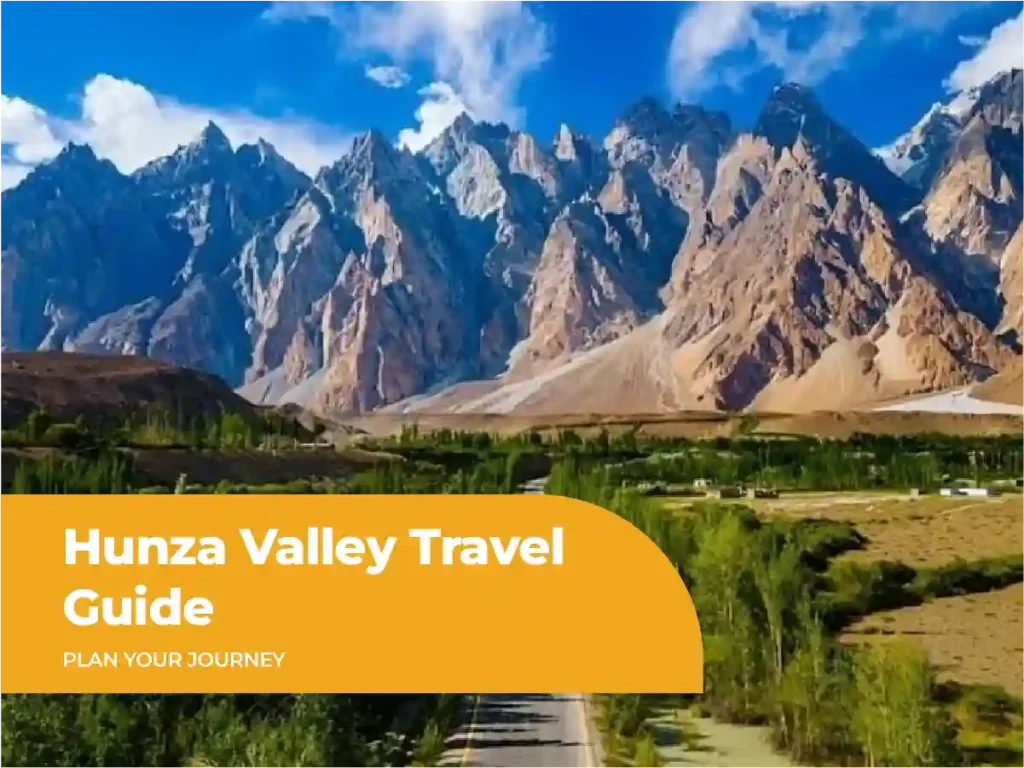
Further up the valley, the Passu Cones are a row of jagged rock spires that look almost artificial against the sky. Nearby, the Hussaini suspension bridge crosses the river on wooden planks and swaying cables. It’s not for anyone nervous about heights, but it’s one of the most photographed spots in the region.
Khunjerab Pass day trip
Khunjerab Pass marks the border with China and is at about 4,733 meters, among the highest paved border crossings anywhere. The drive up from Sost takes you through Khunjerab National Park, where you might spot Marco Polo sheep or ibex. Altitude can hit some travelers here, even on a short visit, so take it slow and drink water on the way up.
Where to Stay: Hunza Valley Hotels
Hunza’s hotel scene has grown a lot in the past few years, and options now run from simple guesthouses to proper resorts with lake views.
| Category | Typical price per night | What to expect |
| Budget guesthouse | $15 to $40 | Family-run, basic rooms, often home-cooked meals |
| Mid-range hotel | $40 to $90 | Private bathrooms, WiFi, valley or mountain views |
| Premium resort | $90 to $150+ | Lake or Rakaposhi views, on-site dining, better service |
Karimabad has the widest range of options and puts you within walking distance of both forts. Staying near Attabad Lake or in Duikar costs a bit more but gets you closer to the views. As of July 2026, prices climb noticeably during the April blossom season and October, so book early if you’re traveling then. Outside peak weeks, it’s often worth negotiating directly with smaller guesthouses rather than booking through a third-party site.
Hunza Valley Weather by Season
Hunza’s weather shifts a lot with elevation and season, which matters more here than in most destinations because you’ll likely move between valley floor and high pass in the same trip.
| Season | Karimabad daytime temp | Khunjerab Pass |
| Spring (March-April) | 10 to 20°C | Cold, snow possible |
| Summer (June-August) | 20 to 30°C | Cool, 5 to 15°C |
| Autumn (October) | 10 to 20°C | Cold, near freezing |
| Winter (December-February) | Below 10°C, often near freezing | Heavy snow, possible closures |
Pack layers regardless of season. Even on a warm summer afternoon in Karimabad, evenings cool down fast once the sun drops behind the peaks, and the temperature swing at Khunjerab Pass can catch first-time visitors off guard.
Food, Culture and the People of Hunza
Hunza’s food leans on what grows locally: apricots, mulberries, walnuts, and wheat. Apricot oil shows up in a lot of dishes, and dried apricots are a common snack sold along the main road in Karimabad. Try Hunza’s version of chapshuro, a stuffed flatbread, if it’s on the menu where you’re staying. Local walnut cake and apricot soup also turn up often, and both are worth asking for even if they’re not on a printed menu.
The valley is home mainly to the Burusho and Wakhi people, each with their own language and traditions. Burushaski, spoken by the Burusho, isn’t related to any other known language family, which locals will happily point out. Wakhi, spoken further up toward Gojal, connects the valley to communities across the border in Tajikistan and Afghanistan.
Hospitality runs deep here, and it’s common for guesthouse owners to sit and chat with guests over tea. We’ve covered the people and traditions of Hunza in more depth in a separate post, which is worth a read if you want the fuller picture before you go.
Is Hunza Valley Safe for Foreign Travelers?
Hunza Valley itself is generally considered one of the more stable and welcoming parts of Pakistan for tourists. However, Pakistan as a whole carries a Level 3, Reconsider Travel advisory from the U.S. State Department, so it’s worth reading the current guidance before you book.
It helps to look at where that advisory actually points. The areas flagged as higher risk are Balochistan and Khyber Pakhtunkhwa, not Gilgit-Baltistan, where Hunza is located. Tour groups and independent travelers visit the valley regularly without incident, and the local economy depends heavily on tourism, so the region has strong reason to keep it that way.
Standard precautions still apply. Register your trip with your embassy’s traveler program, keep copies of your documents, and travel with a licensed operator or guide if you’re heading toward the Khunjerab border zone. Mobile coverage thins out past Gulmit, so let someone know your rough plans before you head into more remote stretches. It’s also worth downloading offline maps before you leave Gilgit, since signal can drop out completely in some sections north of Passu.
Suggested Hunza Itinerary (5 to 7 Days)
A five-day trip covers the highlights. Seven gives you room to add Khunjerab Pass and slower days without rushing.
- Day 1: Travel from Islamabad to Chilas or Gilgit, overnight stop.
- Day 2: Arrive in Karimabad, settle in, evening walk through town.
- Day 3: Baltit Fort and Altit Fort in the morning, Eagle’s Nest at sunset.
- Day 4: Attabad Lake, then continue to Gulmit or Passu.
- Day 5: Passu Cones and Hussaini Bridge, return toward Karimabad.
- Day 6 (optional): Day trip to Khunjerab Pass and back.
- Day 7 (optional): Free morning in Karimabad, begin the return journey.
If you’re short on time, days 2 through 5 above work fine as a standalone four-day trip, especially if you fly into Gilgit rather than driving both ways.
Frequently Asked Questions
Where is Hunza Valley located?
Hunza Valley is in Gilgit-Baltistan, in northern Pakistan, along the Karakoram Highway. It’s about 600 km north of Islamabad, close to the border with China at Khunjerab Pass.
Do foreigners need a permit to visit Hunza?
No special permit is needed for the main valley, including Karimabad, Attabad Lake and Passu, if you hold a standard tourist visa. Going past Sost toward Khunjerab Pass does require a separate permit, which tour operators can usually arrange in advance.
How many days do you need in Hunza?
Five days covers the core sights comfortably, including the forts, Attabad Lake and Eagle’s Nest. Seven days lets you add a Khunjerab Pass day trip and leaves room for rest days without rushing the drive.
What is Hunza Valley famous for?
Hunza is known for its mountain scenery, especially Rakaposhi, along with Baltit and Altit Forts, Attabad Lake, and its spring blossom season. Many also know it for the local reputation around longevity and the traditional apricot-heavy diet.
Can Americans visit Hunza Valley?
Yes. US citizens need a Pakistan e-visa, applied for online before travel, since visa on arrival isn’t available to American passport holders as of 2026. Processing typically takes about a week, so apply with some lead time before your trip.
Is altitude sickness a concern in Hunza?
Karimabad is at a moderate altitude that most travelers handle fine. The real concern is Khunjerab Pass, at nearly 4,733 meters, where some visitors feel headaches or shortness of breath even on a short visit. Drink water, move slowly at the top, and head back down if symptoms don’t ease.
Ready to see it for yourself? Check out our Hunza and Naltar Valley group tour, or browse more domestic trips and group tour options across Pakistan.

Eagles Adventure is a leading travel company in Pakistan, providing domestic, international, and Umrah tours with exceptional safety, comfort, and memorable experiences.